Roadway design in Toowoomba represents a critical intersection of geotechnical engineering and transport infrastructure, encompassing the planning, analysis, and structural configuration of pavements to withstand both traffic loads and the region's unique environmental conditions. This category covers everything from subgrade evaluation and material selection to thickness determination and drainage integration, ensuring that local roads, arterial routes, and heavy-haul corridors perform reliably over their design life. Given Toowoomba's role as a major inland transport hub connecting the Darling Downs to Brisbane and beyond, robust roadway engineering directly influences freight efficiency, road safety, and long-term maintenance costs for both public authorities and private developers.
The geological profile beneath Toowoomba presents distinctive challenges that demand tailored geotechnical approaches. Much of the city and its surrounds sit atop the Main Range Volcanics, characterised by basalt-derived residual soils that can exhibit high plasticity and significant volume change with moisture variation. These reactive clay soils, particularly prevalent in areas like Glenvale and Wilsonton, impose strict requirements on pavement design to prevent cracking, rutting, and loss of riding quality. In other corridors, weathered sedimentary rocks and alluvial deposits introduce variability in bearing capacity, making thorough site investigation and CBR study for road design indispensable for accurate pavement characterisation.
Australian roadway projects are governed by a comprehensive framework of national and state standards, with Austroads Guide to Pavement Technology as the primary reference for structural design. In Queensland, the Department of Transport and Main Roads supplements this with its own Pavement Design Supplement and Technical Specifications such as MRTS05 for unbound pavements and MRTS39 for stabilised materials. Local government projects within the Toowoomba Regional Council area must also align with the Planning Scheme's infrastructure design codes, which specify minimum pavement configurations for residential subdivisions, industrial estates, and rural road upgrades. Adherence to AS 3798 for earthworks control and AS 1289 for soil testing methods is mandatory throughout construction.
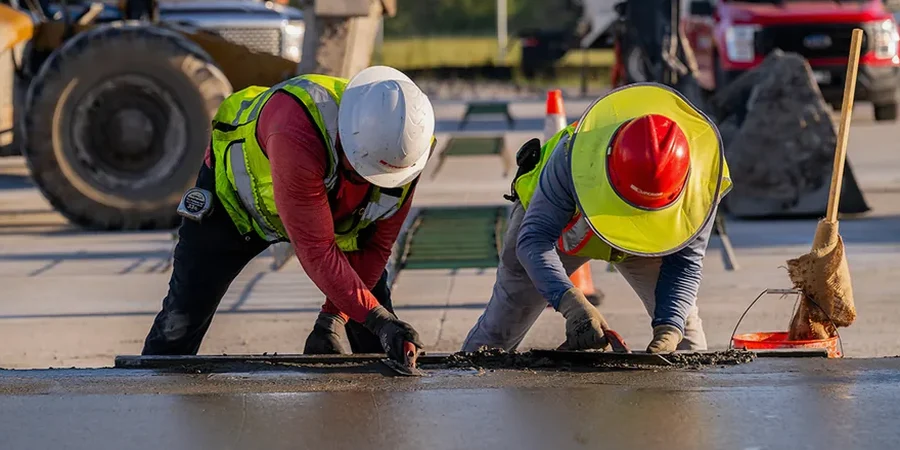
The types of projects that require professional roadway design in Toowoomba span a broad spectrum, from greenfield residential subdivisions in growing suburbs like Highfields and Westbrook to rehabilitation of aging freight routes servicing the Toowoomba Wellcamp Airport and intermodal terminals. Flexible pavement design predominates for most local roads and low-to-medium traffic applications, offering cost-effective construction with granular bases and bituminous surfacing. For industrial precincts, bus terminals, and high-stress intersections, rigid pavement design using plain or reinforced concrete provides superior durability under concentrated loads and reduces whole-of-life maintenance. Rural arterial upgrades often combine both approaches, utilising deep-lift asphalt or cement-stabilised bases where subgrade conditions demand enhanced structural capacity.
Roadway design is the engineering process of determining pavement structure, materials, and drainage to safely support traffic loads over a defined lifespan. In Toowoomba, it is critical due to reactive basaltic soils that cause swelling and shrinkage, requiring robust designs to prevent premature cracking and deformation on key freight and commuter routes.
Pavement design in Queensland follows the Austroads Guide to Pavement Technology, supplemented by the Department of Transport and Main Roads' Pavement Design Supplement and technical specifications such as MRTS05 and MRTS39. Local projects must also comply with the Toowoomba Regional Council's Planning Scheme infrastructure codes and relevant Australian Standards for materials testing.
Toowoomba's basalt-derived residual clays are highly reactive, expanding when wet and shrinking when dry, which can induce differential movement in pavements. Low bearing capacity in alluvial zones further complicates design, making thorough geotechnical investigation and appropriate stabilisation or thicker pavement layers essential for long-term durability.
Selection depends on traffic loading, subgrade conditions, construction timeline, and whole-of-life cost analysis. Flexible pavements with granular and asphalt layers suit most local roads and staged developments, while rigid concrete pavements are preferred for heavy industrial traffic, bus lanes, and intersections where resistance to rutting and minimal maintenance are priorities.